Creating a New Home Project Planning Guide
Building a new home is an exciting journey. It is also a complex process that requires careful planning and organization. When you start with a clear plan, you set yourself up for success. You avoid costly mistakes, delays, and stress. I want to share with you how to create a solid foundation for your new home project planning. This guide will walk you through the essential steps to take before breaking ground.
Understanding New Home Project Planning
New home project planning is more than just picking out paint colors or deciding on flooring. It involves a comprehensive approach to managing every aspect of your build. From budgeting and design to permits and construction timelines, each piece plays a critical role.
Start by defining your goals. What kind of home do you want? How many bedrooms and bathrooms? What style fits your lifestyle? Write down your priorities and must-haves. This clarity will guide your decisions and help your builder understand your vision.
Next, consider your budget carefully. Include not only construction costs but also fees for architects, engineers, permits, and unexpected expenses. A well-planned budget keeps your project on track and prevents surprises.
Finally, research local building codes and regulations. Knowing what is allowed in your area saves time and avoids legal issues. Contact your local building department or consult with professionals who know the rules.
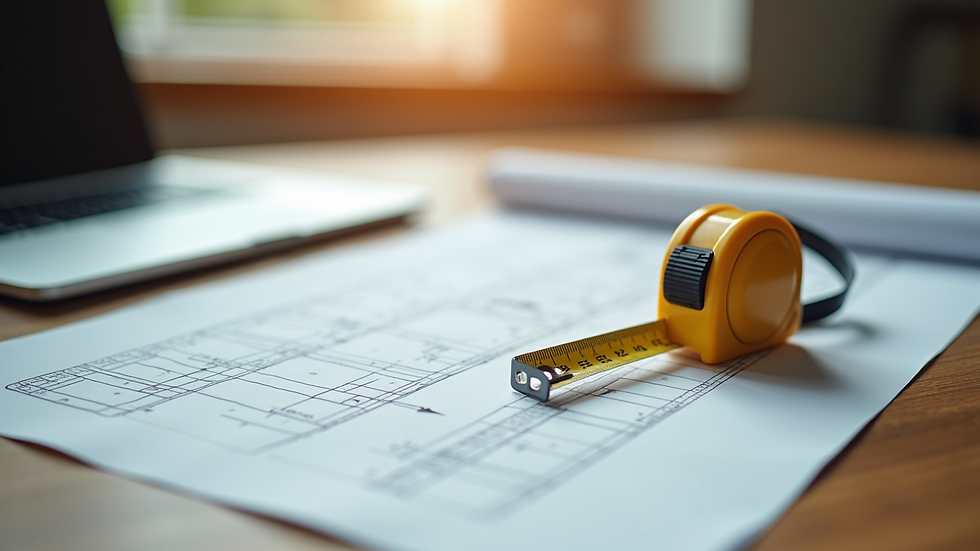
Steps to Create Your New Home Project Plan
Creating a new home project plan involves several key steps. Each step builds on the previous one, so take your time and be thorough.
Site Selection and Analysis
Choose the right location for your home. Consider factors like proximity to work, schools, and amenities. Evaluate the land’s topography, soil quality, and drainage. These affect foundation design and landscaping.
Design and Architecture
Work with an architect or designer to create plans that match your needs and style. Review multiple drafts and provide feedback. Make sure the design maximizes natural light, energy efficiency, and space utilization.
Budgeting and Financing
Finalize your budget based on design plans and site conditions. Explore financing options such as construction loans or mortgages. Keep a contingency fund for unexpected costs.
Permits and Approvals
Submit your plans to local authorities for approval. This process can take weeks or months, so start early. Ensure all paperwork is complete and accurate to avoid delays.
Hiring Contractors and Suppliers
Choose reputable builders and subcontractors with experience in custom homes. Check references and review contracts carefully. Establish clear communication channels.
Scheduling and Timeline
Develop a realistic timeline for each phase of construction. Include milestones like foundation pouring, framing, roofing, and finishing. Regularly update the schedule as work progresses.
Quality Control and Inspections
Plan for regular inspections to ensure work meets standards. Address issues promptly to maintain quality and avoid rework.
Final Walkthrough and Handover
Before moving in, conduct a thorough walkthrough with your builder. Create a punch list of any remaining tasks or fixes. Confirm warranties and maintenance instructions.
Managing Expectations and Communication
Clear communication is vital throughout your new home project planning. You will work with many professionals, and everyone needs to be on the same page. Set expectations early about timelines, budget limits, and design changes.
Regular meetings or updates help you stay informed and involved. Don’t hesitate to ask questions or request progress photos. Transparency builds trust and reduces misunderstandings.
Remember, flexibility is important. Construction projects often encounter unforeseen challenges. Being prepared to adapt while keeping your goals in focus will help you navigate bumps smoothly.

Practical Tips for a Smooth Building Process
Here are some actionable recommendations to keep your project running smoothly:
Document Everything: Keep copies of contracts, permits, change orders, and receipts. This documentation protects you and helps resolve disputes.
Prioritize Energy Efficiency: Invest in insulation, windows, and HVAC systems that reduce energy costs. This adds value and comfort to your home.
Plan for Storage and Future Needs: Think about how your family might grow or change. Design flexible spaces that can adapt over time.
Stay Organized: Use project management tools or apps to track progress, budgets, and communications.
Inspect Deliveries: Check materials upon arrival for quality and accuracy. Address issues immediately.
Prepare for Weather Delays: Have contingency plans for rain or extreme temperatures that might slow construction.
Maintain a Positive Relationship with Your Builder: Respect and cooperation go a long way toward a successful project.
Moving Forward with Confidence
Building your dream home is a rewarding experience when you have a clear plan. By following these steps and staying engaged, you ensure your vision becomes reality. Remember, a new home construction project plan is your roadmap to success. It guides every decision and keeps your project on track.
Take pride in the process and trust that each phase brings you closer to the home you deserve. With patience, preparation, and the right team, your custom home will be a place of comfort and joy for years to come. Keep your goals in sight and enjoy the journey ahead.


Comments